
Organic Communications
Year: 2025 Volume: 18 Issue:4 October-December
1) An outline of antidiabetic medications and their synthetic pathways
 ,
Shweta Tiwari
,
Satish Manjare
,
Ramchandra Thorat
and
Vikas Borge
,
Shweta Tiwari
,
Satish Manjare
,
Ramchandra Thorat
and
Vikas Borge
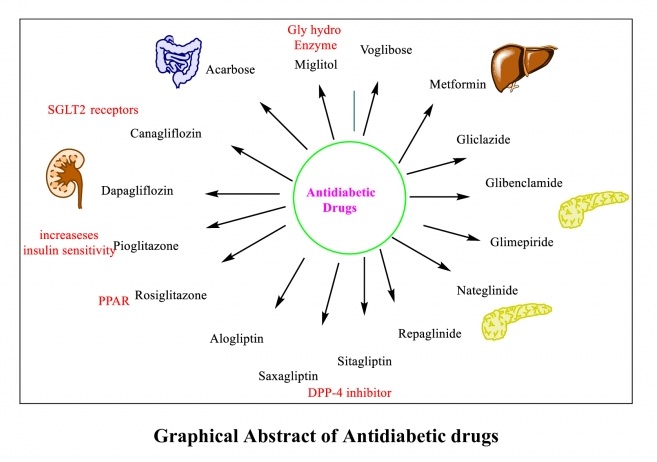
One of the most common chronic illnesses and a major cause of death in recent years is diabetes mellitus (DM). As a result, strategies for identifying, stopping, or delaying this illness and its co-morbidities have long been debated. Patients with diabetes mellitus (DM), especially those with type 2 DM, are now recommended to modify their diet and exercise routines and to gradually go from monotherapy, dual therapy, and multi-agent therapy to insulin delivery as the disease progresses. While there have been advancements, the search for the "ideal" diabetes medication is currently ongoing. There is still much disagreement on the molecular pathways that regulate DM. Since each drug has different risks, drawbacks, side effects, and modes of action, selecting the best course of treatment requires careful consideration. In this article, many classes of anti-diabetic medications were reviewed that are on the market, their uses, and their modes of action. This study will focus especially on the more recent and/or commonly prescribed classes. Since these medications influence the pathways in various cellular systems and organs, encouraging metabolic modifications responsible for either favorable or detrimental consequences, special attention will be paid to how they affect cellular metabolism. It is imperative to thoroughly examine this essential attribute before recommending an antidiabetic. The most common kind of diabetes is type-2, and oral anti-diabetic medications are essential for managing it. Sulfonylureas, thiazolidinediones, meglitinides, sodium glucose co-transporter (SGLT2), a-glucosidase inhibitors, dipeptidyl peptidase-(IV) inhibitors, and biguanides are some of the classes of oral anti-diabetic medications that are marketed today. To avert a possible public emergency, the scientific community has been working hard to create better and more sustainable synthetic methodologies towards these anti-diabetics as the burden of type-2 diabetes continues to rise. The several documented synthetic approaches for anti-diabetic medications in the aforementioned classes are summarized in this article. We hope that this compilation will provide organic and medicinal chemists
DOI http://doi.org/10.25135/acg.oc.202.2510.3710 Keywords Diabetes mellitus antidiabetic drugs classification type-2 diabetes multistep synthesis mechanism of action medicinal Chemistry DETAILS PDF OF ARTICLE © 2025 ACG Publications. All rights reserved.2) Synthesis of pyrroles, pyrazoles, imidazoles, pyridines, pyrimidines and pyrazines using nanocatalysts
,
Marwa S Gaman
and
Shubham Sharma
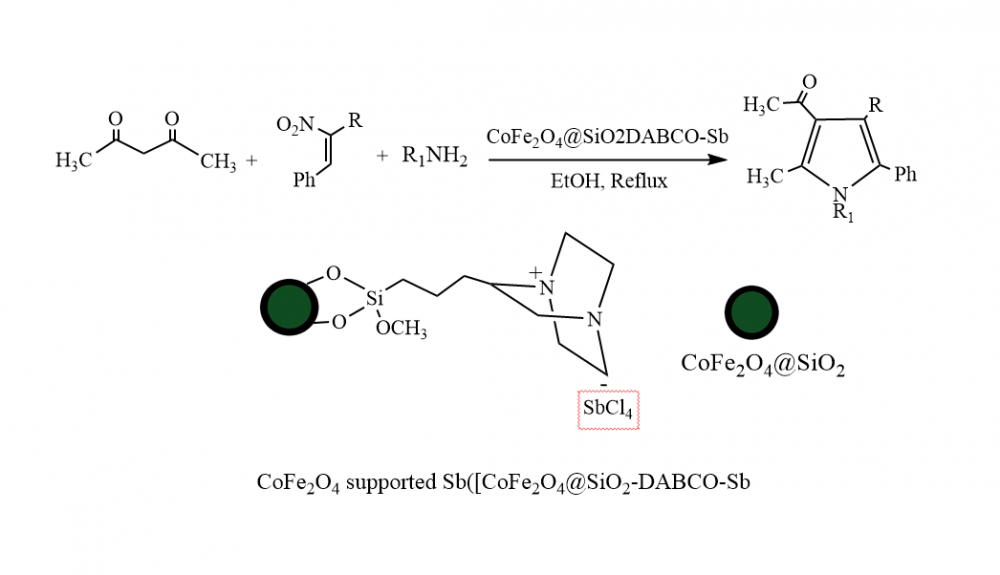
Here, we outlined the synthesis of pyrroles, pyrazoles, imidazoles, pyridines, pyrimidines and pyrazines using nanocatalysts. For example, quinazolin-4(1H)-ones 49a-c were produced by the multicomponent reaction between isatoic anhydride (48), various amines 3, substituted aldehydes 7 in water using Fe3O4 nanoparticles. These N-heterocyclic compounds are essential in pharmaceutical fields. Using nanocatalysts in this synthesis is very important because these catalysts lie under the green synthesis or sustainable synthesis that most researchers headed in recent years, due to nanocatalysts have a large surface area compared with their volume making a larger chance of reaction between the reactants. In addition, they reduce side reactions, improve selectivity, enhance recycling rates, and enable cleaner, faster, and less expensive reactions. Furthermore, they show self-recovery and excellent product yield.
DOI http://doi.org/10.25135/acg.oc.201.2508.3624 Keywords Heterocyclic pyrroles pyrazoles pyrazines nanocatalysts green chemistry DETAILS PDF OF ARTICLE © 2025 ACG Publications. All rights reserved.3) Ferric phosphate (FePO4): An efficient and reusable catalyst for synthesis of aryl-14H-dibenzo[a,j]xanthene derivatives under solvent-free conditions
,
Umme Kulsum Ansari
and
Ramesh S. Ghogare
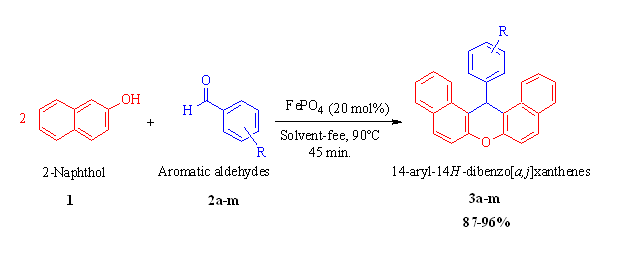
A simple and efficient method has been developed for the synthesis of xanthene derivatives using various aromatic aldehydes and 2-naphthol under solvent-free conditions. In this procedure, ferric phosphate (FePO4) is used as an efficient and reusable heterogeneous Lewis acid catalyst for the synthesis of various derivatives of 14-aryl-14H-dibenzo[a,j]xanthene (3a-3m) in excellent yields (87-96%). The present method affords notable advantages such as short reaction time, simple workup procedure, reusability of the catalyst and high conversions of the products. All products have been confirmed by their melting points and spectroscopic techniques such as 1H NMR, 13C NMR, IR spectroscopy and mass spectrometry.
DOI http://doi.org/10.25135/acg.oc.198.2508.3606 Keywords 14-aryl-14H-dibenzo[a,j]xanthenes ferric phosphate (FePO4) heterogeneous Lewis acid catalyst aromatic aldehydes 2-naphthol solvent-free condition DETAILS PDF OF ARTICLE © 2025 ACG Publications. All rights reserved.4) Synthesis and antidiabetic assessment of substituted 2-benzylidene-1-indanone derivatives using in vitro and in silico techniques
,
Babai Mahdi
,
Mohamad Hafizi Abu Bakar
,
Andrey A. Mikhaylov
,
Mohammad Tasyriq Che Omar
,
Azeana Zahari
,
S. Yaallini Sukumaran
and
Mohamad Nurul Azmi
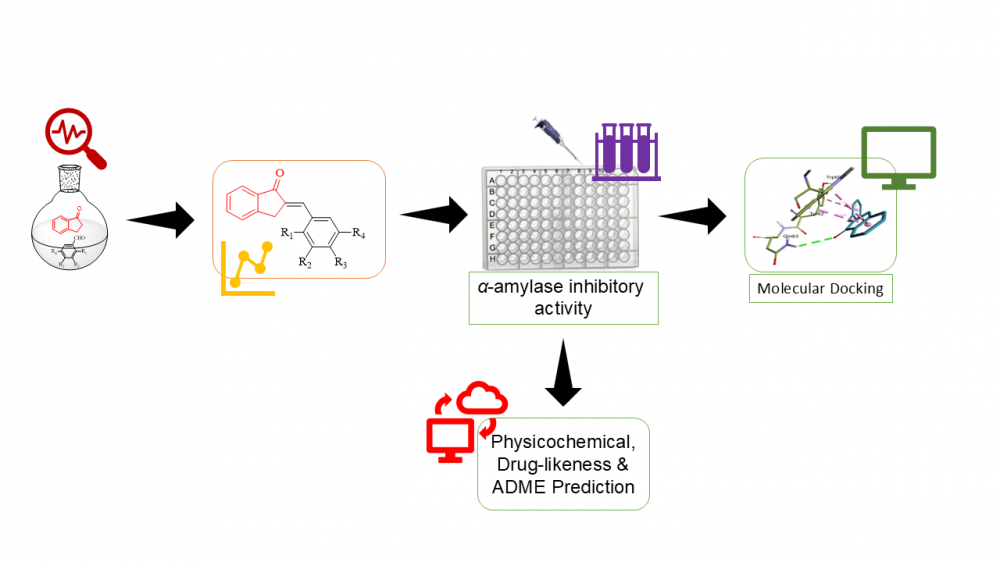
In search for novel antidiabetic agents, a new series of substituted 2-benzylidene-1-indanone derivatives were synthesized via crossed Adol condensation reaction. The structures of the synthesized compounds were determined using various spectroscopic techniques, including HREIMS, FTIR, and NMR. The enzyme inhibitory activities of the target analogues were assessed using in vitro assays. The tested compounds demonstrated inhibitory potential against α-amylase, as indicated by their IC50 values ranging from 17.7 to 28.2 µM as compared to standard drug acarbose with IC50 value of 30.2 ± 1.9 µM. Furthermore, molecular docking study was conducted to elucidate the binding interactions of the compounds within the α-amylase enzyme binding pocket (PDB ID 2QV4). The results of molecular docking studies indicated that compounds 3m, 3c, 3d has the lowest binding energy (-9.8, -9.3 and -9.4, respectively). The structure-activity relationship (SAR) analysis revealed that alteration in the inhibitory activities of α-amylase enzymes was provided by distinct types of substituents attached to either ortho- or para positions of the phenyl group. The combined SAR and docking results highlight the importance of para-position substitution on ring A for optimal activity, particularly when introducing moderately electron-withdrawing groups such as chlorine, fluorine, and bromine. Thus, in the pursuit of developing newer antidiabetic agents, the in silico ADME prediction was carried out with promising physicochemical, drug likeness and ADME properties which indicated that some compounds were considered drug-like as they do not violate any of the rule-based filters of Lipinski.
DOI http://doi.org/10.25135/acg.oc.202.2508.3626 Keywords 2-benzylidene-1-indanone derivatives Aldol condensation reaction α-amylase inhibitor; molecular docking ADME properties DETAILS PDF OF ARTICLE © 2025 ACG Publications. All rights reserved.5) A catalyst-free and eco-friendly approach to synthesis of 1,8-naphthyridines via natural deep eutectic solvents
,
Ravi Varala
and
Pramod S. Kulkarni
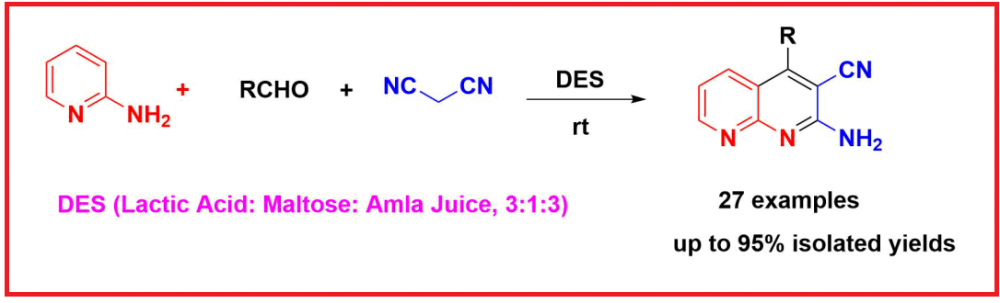
The use of deep eutectic solvents (DESs) not only promotes the reaction but also aligns with green chemistry principles due to their biodegradability, low toxicity, cost-effectiveness, and recyclability. A green and efficient one-pot, three-component synthesis of 2-amino-4-phenyl-1,8-naphthyridine-3-carbonitrile derivatives has been developed using lactic acid-based DESs. The reaction, involving 2-aminopyridine, aromatic aldehydes, and malononitrile, proceeds under mild conditions in a DES composed of lactic Acid, maltose, and amla (Indian gooseberry) Juice (3:1:3 molar ratio) without the need for any additional catalysts or additives. Among various DESs evaluated, this ternary mixture exhibited the highest catalytic activity, delivering products in good to excellent yields. The methodology offers notable advantages, including high atom economy, reduced reaction time, and elimination of hazardous solvents. The synthesized naphthyridine derivatives were structurally confirmed by FTIR, NMR, and HRMS analyses. This study highlights the potential of natural-product-based DESs as sustainable media for multicomponent heterocycle synthesis, with significant implications for the field of organic synthesis and green chemistry.
DOI http://doi.org/10.25135/acg.oc.199.2507.3592 Keywords Multicomponent reactions deep eutectic solvents (DESs) 1,8-naphthyridine green synthesis 2-amino pyridine lactic acid DETAILS PDF OF ARTICLE © 2025 ACG Publications. All rights reserved.6) Synthesis and molecular docking studies of dispiropyrrolidine oxindole derivatives as a therapeutics agent against methicillin-resistant Staphylococcus aureus (MRSA)
,
Mohamad Nurul Azmi
,
Saiful Azmi Johari
,
Nor Syaidatul Akmal Mohd Yousof
,
Mohammad Tasyriq Che Omar
,
Habibah A. Wahab
and
Mohd Fazli Mohammat
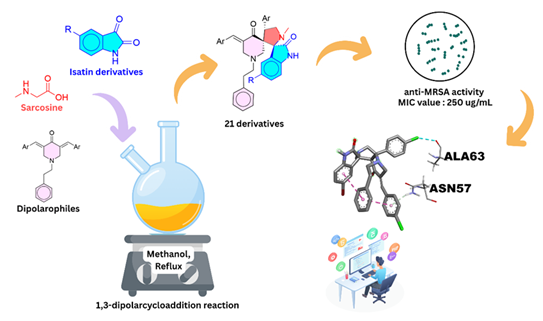
A series of new dispiropyrrolidine oxindole derivatives (8-10) were successfully synthesised with yield of 57 to 95% via one-pot 1,3-dipolar cycloaddition reaction of azomethine ylides and characterised by various spectroscopic techniques such as NMR, FT-IR, and HRMS. The compounds were evaluated for their activity against methicillin-resistance Staphylococcus aureus (MRSA). Among the compounds, compound 9f and 9g exhibit moderate activity against MRSA with minimum inhibitory concentration (MIC) and minimum bactericidal concentration (MBC) of 250 µg/mL and 325 µg/mL, respectively. The binding energies and interactions of both compounds with S. aureus adhesion proteins such as sdrE, CIfA and FnBPA were further studied through molecular docking studies. Compound 9f (-8.5 ± 0.00 kcal/mol) showed a strong binding affinity than compound 9g (-7.5 ± 0.20 kcal/mol) particularly towards FnBPA adhesion protein. The molecular docking results revealed that the interactions between the compounds 9f and 9g with target proteins correlate with the observed MRSA inhibitory activity, highlighting their potential as promising lead candidates for anti-MRSA drug development.
DOI http://doi.org/10.25135/acg.oc.204.2511.3729 Keywords Dispiropyrrolidine oxindole anti-bacterial activity methicillin-resistant Staphylococcus aureus molecular docking in silico study DETAILS PDF OF ARTICLE © 2025 ACG Publications. All rights reserved.7) Theoretical investigation of interactions between HIV-1 Tat and p53 proteins
,
Cansu M. Yenici
,
Sena Celikbas
,
Serra Aygün
,
Dicle Altun
,
Sefer Baday
and
Onur Alptürk
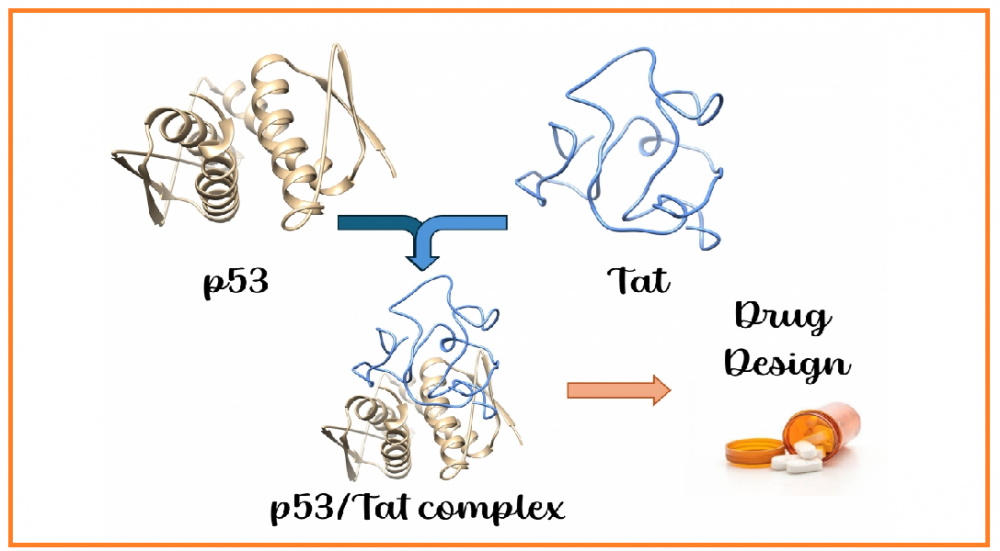
HIV-1 Tat (transactivator of transcription) protein is the main arsenal of HIV, playing numerous roles during viral infection. This protein is intrinsically disordered, lacking well-defined secondary structures. Such structural plasticity allows HIV-1 Tat to interact with a wide range of proteins and biological molecules, ultimately leading to immune system collapse or severe tissue damage. Proteomic studies have previously revealed that p53, often referred to as the “guardian of the genome,” interacts with Tat through its tetramerization domain. Since p53 plays a pivotal role in determining cell fate, its interaction with Tat is of broad interest in the pathogenesis of HIV infection. Therefore, we investigated the complex formation between Tat and the tetramerization domain of p53 using molecular docking and molecular dynamics simulations. We believe that the results presented in this manuscript provide valuable insights for the development of novel therapeutic agents targeting the p53/Tat interaction.
DOI http://doi.org/10.25135/acg.oc.200.25.08.3618 Keywords HIV-1/2 Tat protein p53 molecular docking MD simulations protein-protein interaction DETAILS PDF OF ARTICLE © 2025 ACG Publications. All rights reserved.